
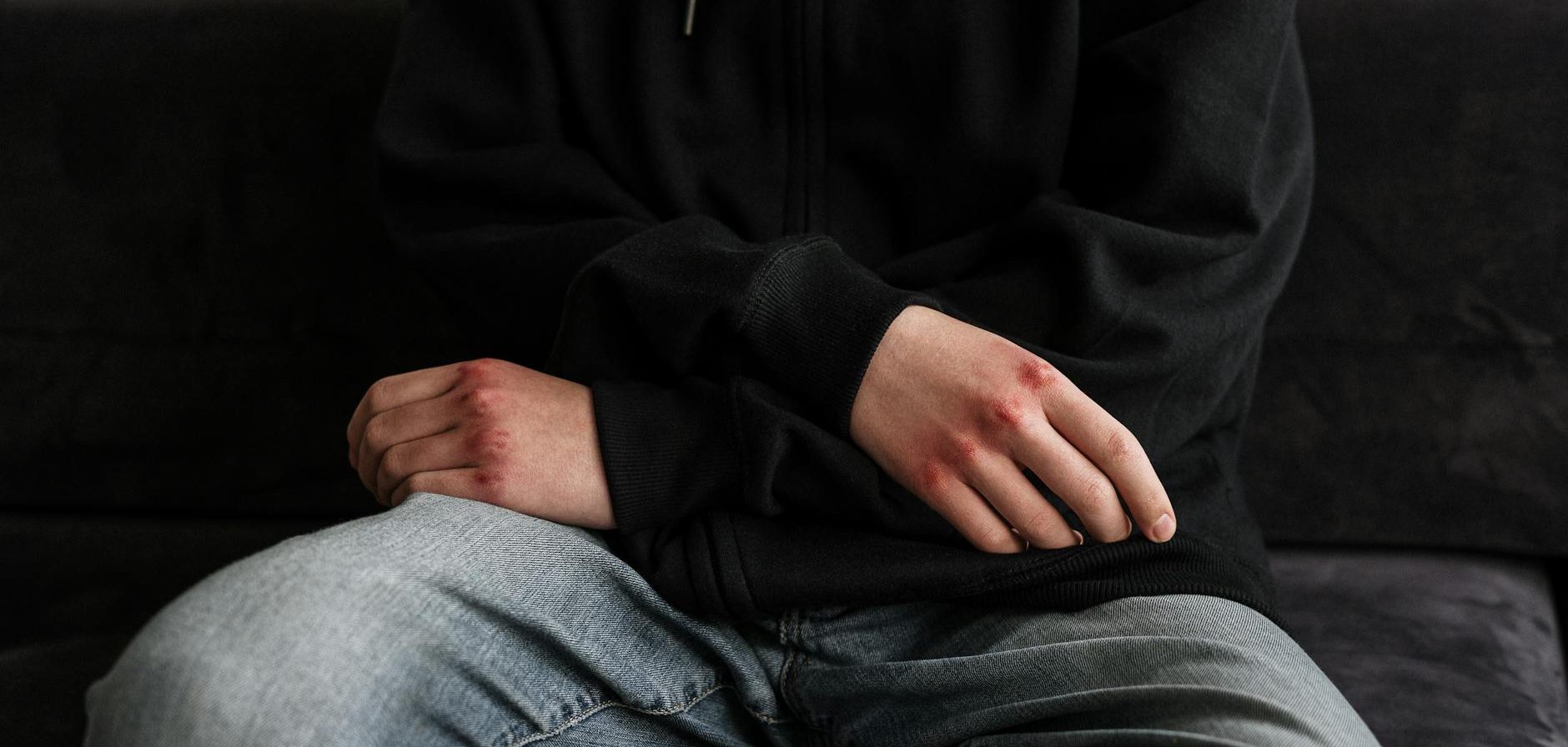
Trauma is not just what happened to us—it’s what stayed within us. Many people carry emotional wounds long after the event has passed, often without realizing they are still living in “survival mode.” Healing begins when we learn to identify these hidden imprints and consciously work through them.
In this article, we explore how to recognize trauma and practical ways to move beyond it.
1. Trauma Often Hides in Symptoms, Not Memories
Trauma is not always remembered as a clear event. Sometimes it shows up as unexplained anxiety, irritability, or emotional numbness.
How to identify it:
*Frequent overreaction to small issues
*Feeling unsafe even in safe situations
*Difficulty trusting people
*Avoiding conflict or emotional conversations
*Recurring nightmares or body tension
A teenager who becomes extremely anxious before exams might not simply have “exam fear.” They may have experienced years of harsh criticism from parents or teachers, which their body stored as a threat.
Riya, 32, always felt exhausted and overwhelmed at work. She believed she was “just bad at handling pressure.” During therapy, she realized her reactions were rooted in childhood—growing up with unpredictable, angry adults had taught her to stay alert at all times. Once she understood this, her behavior finally made sense.
2. Trauma Shapes Our Beliefs
Trauma often rewrites the way we see ourselves and others.
You may start believing:
“I am not good enough.”
“People will eventually leave.”
“I must always be strong.”
“It’s my job to keep everyone happy.”
These beliefs are not personality traits—they are survival strategies learned during painful moments.
A child who grew up with emotionally unavailable parents may become an adult who never asks for support because they learned early that “no one will help me.”
When Deepak’s marriage was falling apart, he kept saying, “I don’t want to burden her with my feelings.” Only later did he understand that as a child, expressing emotions led to punishment. His trauma had convinced him that silence is safer than honesty.
3. Trauma Affects the Body
The body remembers what the mind forgets.
Trauma can create:
*Chronic back or neck pain
*Digestive disturbances
*Sleep problems
*Constant fatigue
*Panic-like symptoms
These are not signs of weakness—they are trapped survival responses like fight, flight, freeze, or fawn.
Someone who freezes during conflict is not being “lazy” or “avoidant.” Their nervous system has simply learned that shutting down is the safest option.
A 45-year-old man came with frequent stomach aches that doctors couldn’t explain. In therapy, he discovered that as a child he often ate in fear—meals were moments of tension. His gut had carried that fear for decades.
4. The Path to Overcoming Trauma Begins With Awareness
You cannot heal a wound you cannot see.
The first step is recognizing your patterns without blaming yourself.
How to build awareness:
*Journaling your emotional triggers
*Observing when your body tenses up
*Noticing recurring relationship patterns
*Listening to your self-talk
*Identifying situations that feel unsafe, even if they “shouldn’t”
A mother noticed she shouted at her children every time they spilled something. Through reflection, she realized the reaction came from her own childhood, where mistakes were punished. Awareness helped her break the cycle.
5. Emotional Processing Is Essential
Healing requires expressing what was once suppressed.
Ways to process trauma:
*Talking to a therapist
*Safe conversations with trusted friends
*Mindfulness and breathwork
*EMDR or somatic therapy
*Art, writing, or creative outlets
*Inner child work
A young adult who always fawns (pleases others) can learn to say “no” without guilt once they process why conflict feels threatening.
6. Rebuilding New Patterns and Beliefs
Once the old survival patterns are understood, you can build healthier ones.
New patterns include:
*Setting boundaries
*Practicing self-compassion
*Relearning trust
*Building routines that support your nervous system
*Choosing relationships that feel safe
After years of avoiding intimacy, Anjali slowly learned to communicate her emotions. She started small—sharing discomfort, asking for help, or expressing needs. Each step rewired her belief that vulnerability leads to danger.
7. Healing Is Not Linear—It’s a Journey of Gentle Progress
Some days you will feel strong; some days you may regress. Both are normal.
Important reminders:
*Healing takes time
*You do not have to do it alone
*Small shifts create long-term change
*Every step is progress
Rohan would often feel he was “back to square one.” His therapist reminded him that even recognizing a trigger is progress. Over time, he realized he responded to situations more consciously and less reactively.
Conclusion: Trauma Does Not Define You
Trauma changes how you see the world but healing changes how you see yourself.
When you identify your patterns, acknowledge your pain, and build new responses, you reclaim your power.
Healing is not about forgetting the past—it’s about freeing yourself from its control.
If you like this article, please leave a comment, it helps and encourages us.
Follow us on social media
Share this page on
Read our Latest Post
- Work Burnout: When You’re Tired of More Than Just Work
- Vitamin Deficiency: The Hidden Nutritional Gaps That Can Affect Your Energy, Brain, Immunity and Overall Health
- How to Overcome the Grief of Losing a Parent
- The Twelve Rejections That Changed the World
- Lichen Planus: Understanding the Disease Beyond the Rash
Get in touch with us by filling the form below


Never shy from asking for help
When you face an issue ask for help. you are not the only one having problems. Everyone faces problems. Don’t need to be embarrassed about it. Ask for help from the people who can help you. Talk to your parents. elders, friends, relatives. or you can talk to us.
Website built with WordPress
Leave a Reply