
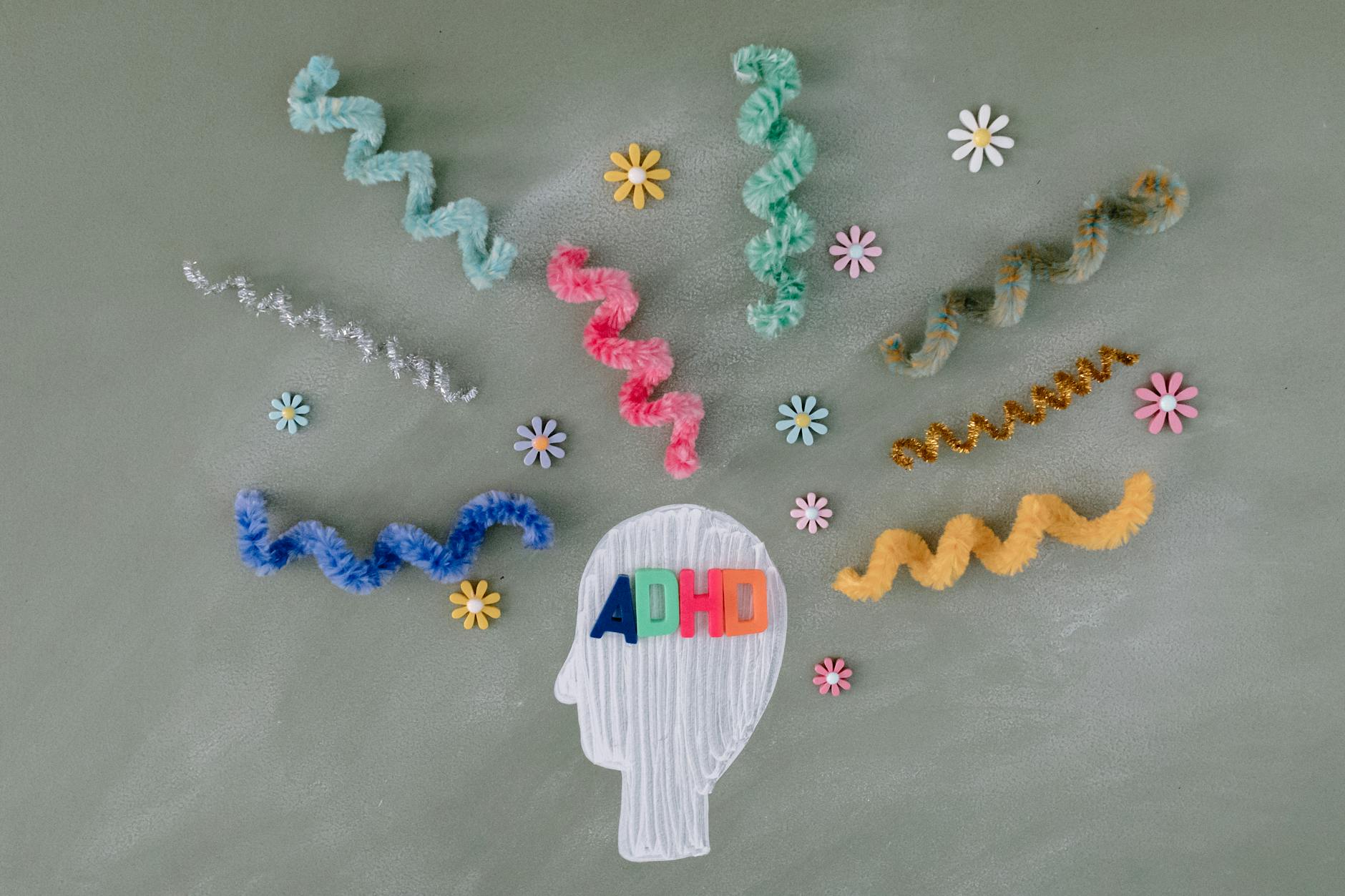
Attention-Deficit/Hyperactivity Disorder (ADHD) is one of the most common neurodevelopmental disorders, typically diagnosed in childhood but often persisting into adulthood. It affects millions worldwide, impacting school, work, relationships, and daily functioning. Yet, despite its prevalence, ADHD remains widely misunderstood.

What is ADHD?
ADHD is a chronic condition characterized by persistent patterns of inattention, hyperactivity, and impulsivity. It is not a result of laziness, poor parenting, or lack of willpower—it is a neurobiological disorder that affects how the brain regulates attention and behavior.
ADHD in Children
Children with ADHD may seem like they’re constantly “on the go,” struggle to sit still, or find it hard to focus on tasks or follow instructions. While all children can be energetic and unfocused at times, those with ADHD experience these behaviors more intensely and more frequently, interfering with their ability to function in school and at home.
Common Signs in Children:
*Difficulty paying attention in class
*Easily distracted and forgetful
*Interrupting conversations or blurting out answers
*Struggles with waiting their turn
*Trouble completing homework or chores
*Fidgeting, restlessness, or excessive talking
Impact on Learning and Social Life:
Children with ADHD often have trouble in school—not because they aren’t smart, but because staying focused, organized, and seated is a challenge. They may also struggle to make or keep friends due to impulsive behavior or difficulty understanding social cues.
ADHD in Adults
Many adults with ADHD were never diagnosed as children. While hyperactivity may decrease with age, challenges with attention, organization, and impulse control often persist.
Common Signs in Adults:
*Chronic disorganization and poor time management
*Difficulty sustaining attention at work or in conversations
*Frequent job changes or underachievement
*Forgetfulness and losing things often
*Impulsive decisions or speaking without thinking
*Feeling overwhelmed or restless
Impact on Daily Life:
Adult ADHD can lead to issues in relationships, low self-esteem, financial problems, and poor performance at work. Many adults feel frustrated, guilty, or ashamed, especially if their struggles are misunderstood by others.
Causes and Risk Factors
The exact cause of ADHD is not fully known, but research suggests:
*Genetics plays a major role (it often runs in families)
*Differences in brain structure and function
*Environmental factors like exposure to toxins during pregnancy or early childhood
*Low birth weight or premature birth
Diagnosis and Treatment
Diagnosis:
There is no single test for ADHD. Diagnosis involves:
*Clinical interviews
*Observations from parents, teachers, or partners
*Behavior rating scales
*Ruling out other conditions like anxiety or learning disorders
Treatment Approaches:
1. Medication – Stimulants (like methylphenidate) are most common, but non-stimulants are also used.
2. Behavioral Therapy – Helps develop structure, improve self-control, and build organizational skills.
3. Parent Training – Equips parents with tools to manage behavior effectively.
4. Coaching or Counseling – Especially useful for adults to address workplace issues and relationships.
5. Lifestyle Changes – Regular sleep, exercise, and routines can greatly help.
Living with ADHD
ADHD is a lifelong condition, but with proper support and management, individuals can thrive. Many people with ADHD are highly creative, energetic, and spontaneous. Recognizing the condition and seeking help is the first step toward a more successful and fulfilling life.
Key Takeaways for Parents and Adults:
*ADHD is real, biological, and manageable.
*Early diagnosis and intervention can make a big difference.
*Adults with undiagnosed ADHD should not hesitate to seek help—it’s never too late.
*Support from family, schools, and employers is vital for success.
Remember: ADHD does not define a person—it is just one part of who they are. With understanding and support, children and adults with ADHD can channel their unique strengths into lifelong success.
Homoeopathy has shown great improvements in cases of ADHD in children and adults. One should consider homoeopathy as a good treatment along with psychotherapy.
Follow us on social media
Share this post on social media
Latest Post
- Small Steps, Great Parents: The Power of Kaizen Parenting
- Mobile Addiction in Children: What Every Parent Must Know Before It Is Too Late
- Heart Health After 50: The Silent Signals Your Body Gives Before a Heart Attack
- The Philosophy of Whole Living
- Heat Wave Alert: How Extreme Heat Is Silently Damaging Your Health
If you seek guidance with ADHD and its management, get in touch with us by filling the form below


Never shy from asking for help
When you face an issue ask for help. you are not the only one having problems. Everyone faces problems. Don’t need to be embarrassed about it. Ask for help from the people who can help you. Talk to your parents. elders, friends, relatives. or you can talk to us.
Website built with WordPress
Leave a Reply