
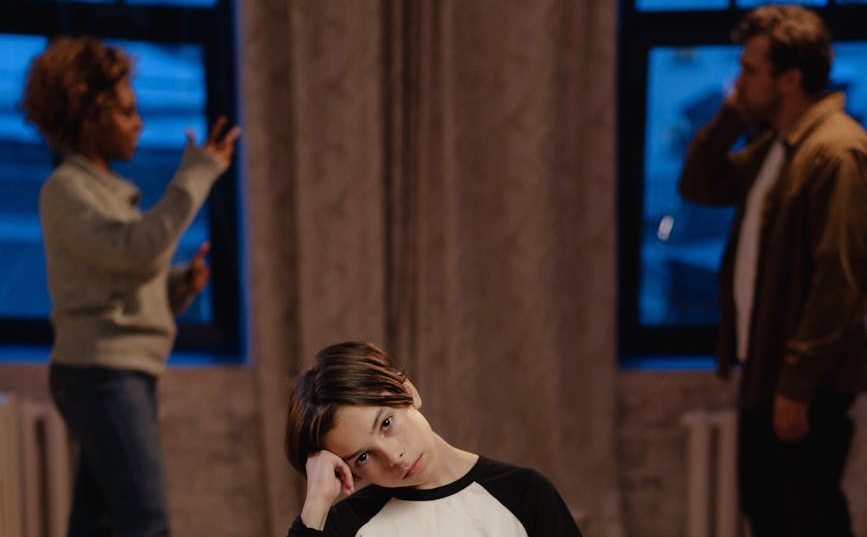
Home is meant to be a safe haven for children — a place of love, security, and stability. But when parents frequently argue or show hostility toward each other, that sense of safety can crumble. Parental discord, whether silent tension or open conflict, deeply affects a child’s emotional, mental, and even physical well-being.

Let’s explore how parental discord impacts children, the signs it shows in them, and what parents can do to protect their child’s emotional world.
1. Emotional Distress and Anxiety
Children are emotionally tuned into their parents. Even when not directly involved, they feel the emotional undercurrents of conflict — the raised voices, cold silences, or harsh words.
🔹 A 6-year-old girl began biting her nails and wetting the bed after weeks of hearing her parents argue late into the night. She couldn’t articulate it, but her body was reacting to the emotional chaos.
How it shows up:
Nervousness, nail-biting
Sleep disturbances
Fearfulness or clinginess
Excessive worry about family or parental separation
2. Behavior Problems and Aggression
Children who grow up around conflict may mimic what they see. They may assume yelling or hitting is a normal way to resolve problems.
🔹 An 8-year-old boy started getting into fights at school. His teacher learned that he often saw his parents shout and slam doors at home — he thought aggression was power.
How it shows up:
Anger outbursts
Disrespect or defiance
Bullying or being bullied
Disruptive behavior in class or at home
3. Poor Academic Performance
When children are emotionally overwhelmed, their ability to concentrate, retain information, and perform well in school declines.
🔹 A bright student’s grades began to fall. On investigation, the school counselor discovered the child was living in a home filled with constant parental blame and resentment.
How it shows up:
Drop in grades
Lack of interest in studies
Incomplete homework
Frequent complaints of stomach aches or headaches before school
4. Low Self-Esteem and Guilt
Children often internalize conflict and blame themselves, especially younger ones. They may believe, “If I was better, they wouldn’t fight.”
🔹 A 5-year-old blamed himself for his parents’ separation, saying, “I made them angry because I spilled juice.”
How it shows up:
Feelings of worthlessness
People-pleasing or excessive apologizing
Saying negative things about themselves
Fear of making mistakes
5. Long-Term Relationship Struggles
Children who witness unhealthy relationships may struggle in their own future relationships — romantic or otherwise — either fearing closeness or repeating the same patterns.
🔹A teenage girl expressed that she “never wants to marry” because all she saw at home was bitterness between her parents.
How it shows up:
Difficulty trusting others
Avoiding relationships
Being overly controlling or submissive
Tolerating toxic or abusive behavior

How Parents Can Protect Their Child Despite Conflict
No relationship is perfect. Disagreements are natural. But how conflict is handled matters more than the conflict itself. Here are some ways to protect your child from emotional harm:
✅ Avoid fighting in front of the child
Take time-outs. Discuss sensitive issues in private.
✅ Never involve children in the conflict
Don’t make them choose sides or use them as messengers.
✅ Model respectful disagreement
Show that it’s possible to disagree calmly and kindly.
✅ Reassure them
Let your child know the conflict is between adults and they’re not to blame.
✅ Seek help
If conflicts are frequent or intense, couples counseling or family therapy can help restore peace and protect the child’s emotional health.

Final Thoughts: Home Should Heal, Not Harm
Children don’t need perfect parents — they need emotionally safe ones. When parents work through their differences respectfully and with maturity, they not only protect their child but also teach them valuable lessons about love, communication, and resilience.
Follow us on social media
Share this post on social media
Latest Post
- Work Burnout: When You’re Tired of More Than Just Work
- Vitamin Deficiency: The Hidden Nutritional Gaps That Can Affect Your Energy, Brain, Immunity and Overall Health
- How to Overcome the Grief of Losing a Parent
- The Twelve Rejections That Changed the World
- Lichen Planus: Understanding the Disease Beyond the Rash
If you seek guidance with parenting, get in touch with us by filling the form below


Never shy from asking for help
When you face an issue ask for help. you are not the only one having problems. Everyone faces problems. Don’t need to be embarrassed about it. Ask for help from the people who can help you. Talk to your parents. elders, friends, relatives. or you can talk to us.
Website built with WordPress
Leave a Reply