
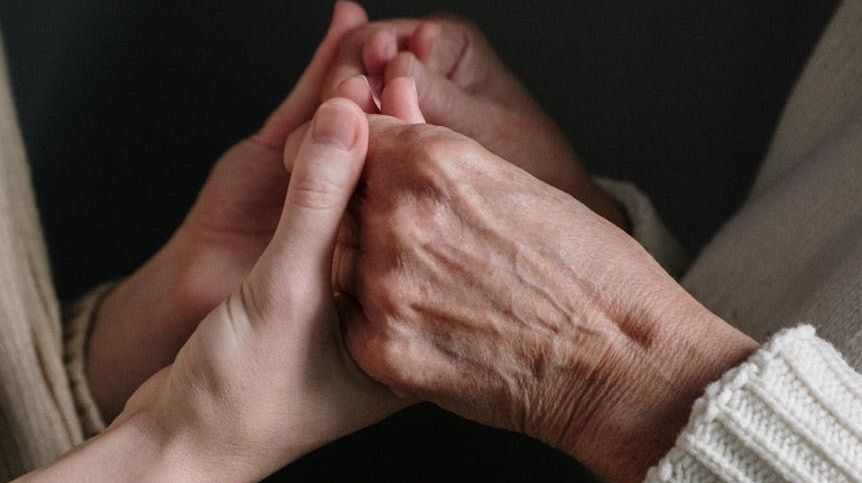
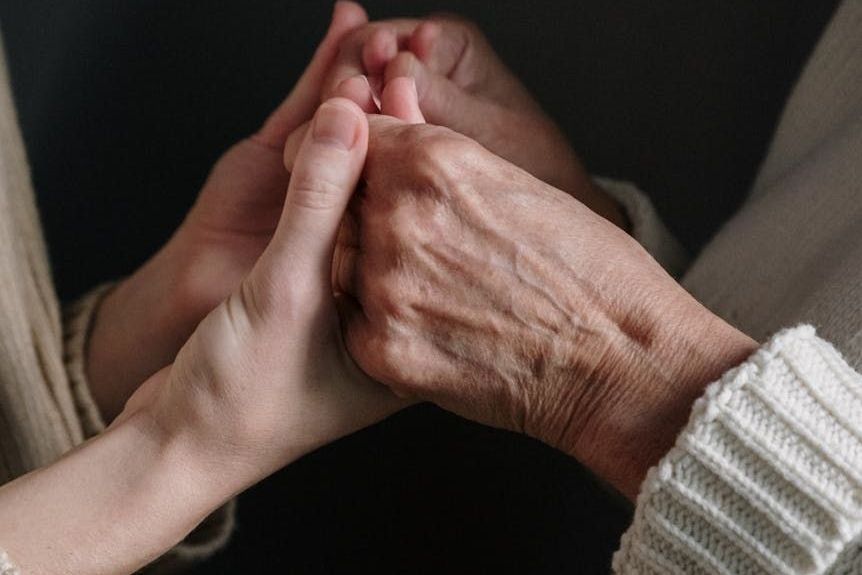
Caring for elderly parents, relatives, or loved ones is one of the most deeply human and meaningful acts — yet it’s also one of the most challenging. The emotional, physical, and mental toll it takes is often underappreciated, even by caregivers themselves.
This article explores the reasons why elder care is tough, through five key realities, supported by examples and real-life experiences.
1. The Emotional Strain of Role Reversal
Reality: Watching a loved one decline in health or independence is emotionally taxing, especially when roles shift and the child becomes the caregiver.
Example: An adult daughter may now be helping her father bathe or reminding him to take medications — tasks he once did for her.
Story: When Raj’s mother, once a vibrant teacher, began forgetting familiar faces due to dementia, he felt grief even though she was still alive. “It’s like losing her little by little,” he said. The emotional toll, he realized, was not just about logistics — it was about letting go.
Why It Matters: Caregiving is not just about support, but also about mourning the changes and adjusting expectations with compassion.
2. The Physical and Time Demands
Reality: Elder care often involves physically demanding tasks — lifting, transporting, helping with daily hygiene — while also fitting into an already packed schedule.
Example: Caregivers often juggle jobs, raising children, and managing a household alongside elder care.
Story: Tanya, a working mother of two, found herself waking at 5 a.m. to help her father with breakfast and medications before commuting to work. “I was constantly exhausted,” she shared. “It felt like I was failing everyone.”
Why It Matters: Without proper support, caregivers can experience burnout — affecting their health, their relationships, and the quality of care they provide.
3. Financial Pressure
Reality: Caring for an elderly person can strain finances — from medical bills and home modifications to the cost of caregiving services.
Example: Hiring a part-time nurse, installing safety equipment, or covering medications can quickly add up.
Story: After her mother’s stroke, Kevin had to reduce his work hours to provide care, leading to a significant drop in income. With rising expenses and fewer earnings, his savings began to dwindle. “There was no safety net,” he said.
Why It Matters: Financial stress adds another layer of difficulty, often requiring tough decisions about care, work, and living arrangements.
4. Lack of Training and Support
Reality: Most family caregivers have little to no training in medical or elder care, yet they are expected to manage complex health conditions and emotional needs.
Example: Administering insulin, managing medications, or navigating dementia-related behaviors can feel overwhelming without guidance.
Story: Leila cared for her grandfather with Parkinson’s. “I didn’t know what tremors meant or how to help him safely move,” she recalled. “I was afraid I’d make things worse.”
Why It Matters: Caregivers need training, resources, and emotional support. Without it, they often feel alone and unprepared for the demands they face.
5. The Isolation and Guilt
Reality: Caregiving can be isolating. Friends may not understand, social life shrinks, and guilt becomes a constant companion — guilt for feeling tired, frustrated, or longing for freedom.
Example: Even short breaks can come with guilt — as if taking care of oneself is abandoning the one in need.
Story: When Paul finally arranged a weekend away after months of round-the-clock caregiving, he spent the entire trip checking in and feeling guilty. “It didn’t feel like a break,” he admitted.
Why It Matters: Caregivers need time to rest and reconnect with themselves. Compassion must be extended not just to the elderly, but to those who care for them.
Final Thoughts
Caring for the elderly is tough because it demands so much — physically, emotionally, financially, and spiritually. But it’s also tough because society often underestimates the depth of what caregivers endure.
Recognizing the challenges doesn’t mean we love our elders any less. It means we need to support caregivers more — with time, empathy, community, and resources. Because when we care for the caregivers, we strengthen the circle of care that holds families together.
If you’re a caregiver, you are not alone. Your love and effort matter — even when it’s hard, even when it’s invisible. And you deserve care, too.
Get in touch with us if you need any advice on caring for the elderly.
Follow us on social media
Share on social media
 Dr. Alfred D'Silva
Leave a comment