


In recent years, parents, teachers, and psychologists have noticed a significant rise in behavioural problems among children. From increased defiance and aggression to anxiety and attention issues, the patterns are becoming too consistent to ignore. So what’s driving this shift—and more importantly, how can we begin to fix it?
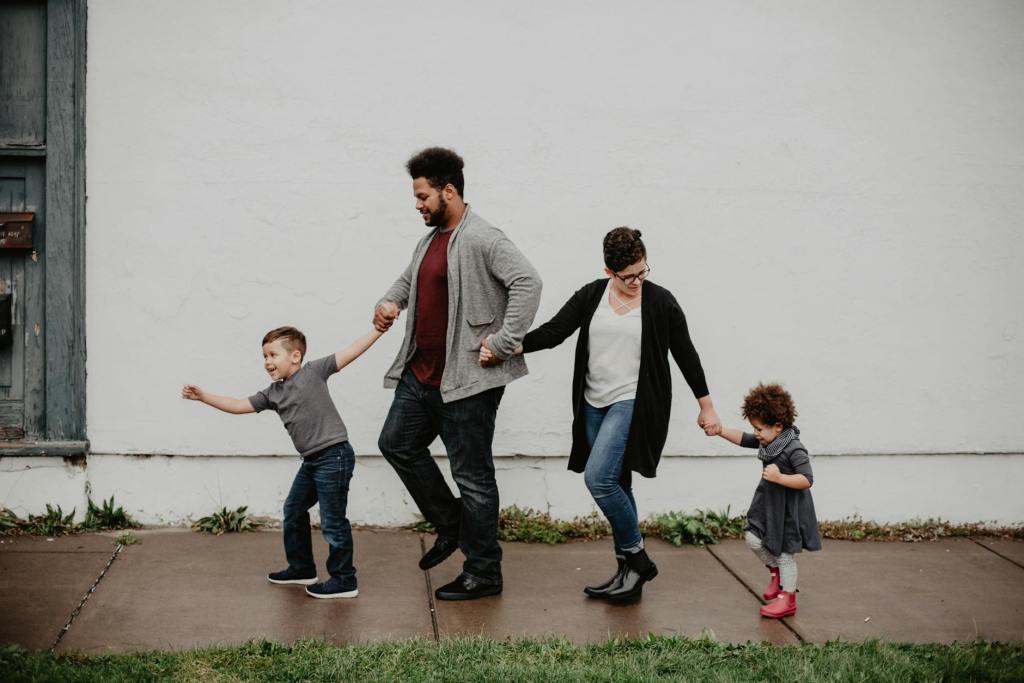
1. Changing Family Dynamics
Principle: Stable family environments shape stable behaviours.
Example: In dual-income households, both parents often work long hours. While this is necessary in many cases, it can lead to less face-to-face time with children.
Story: Take the case of Aarav, a 7-year-old who started acting out in school. His parents, both in demanding corporate jobs, were rarely home before bedtime. Once they made a conscious decision to dedicate undistracted time each evening—even just 30 minutes—to talk, play, or read with him, his behaviour began to improve dramatically.
Fix: Prioritize quality time over quantity. Even short, focused interactions where the child feels heard and loved can make a world of difference.

2. Overstimulation and Screen Time
Principle: Children need boredom to build creativity and self-regulation.
Example: The average child now spends over 4 hours a day on screens—TV, tablets, phones. Fast-paced content rewires attention spans, making real-life interactions seem dull.
Story: Meera, age 10, became increasingly irritable and distracted. Her parents noticed it worsened after long periods on her tablet. They introduced a “screen-light weekend,” filled with board games, park visits, and conversations. Within weeks, Meera became more calm, focused, and cooperative.
Fix: Set healthy boundaries around screen use. Encourage physical play, unstructured time, and offline activities to help children reset their attention and emotions.

3. Academic and Social Pressure
Principle: Children thrive when expectations match their developmental stage.
Example: From age 5, kids are often enrolled in multiple extracurriculars and face pressure to excel academically. This stress can lead to anxiety, defiance, or withdrawal.
Story: Rohini, age 9, was enrolled in piano, tennis, and tutoring classes, on top of a full school day. She began throwing tantrums and refusing to go to class. Her parents scaled back to just one after-school activity and saw a swift change in her mood and behaviour.
Fix: Let children be children. Allow space for rest, play, and simple joy. Set realistic expectations and listen to their cues.

4. Lack of Consistent Discipline
Principle: Clear boundaries create emotional security.
Example: Inconsistent rules—saying no one day and giving in the next—confuse children and lead to testing limits.
Story: A single mother of twins struggled to maintain routines. When she began using a visual schedule and followed through on consequences calmly but firmly, the twins’ tantrums decreased, and cooperation improved.
Fix: Set consistent, age-appropriate rules and follow through calmly. Consistency builds trust and predictability, which children crave.
5. Mental Health Awareness and Diagnosis
Principle: Understanding doesn’t excuse behaviour, but it guides better responses.
Example: Some behaviours once labelled as “naughty” are now understood as signs of ADHD, anxiety, or trauma. While increased awareness partly explains the rise in cases, it also opens doors to better support.
Story: Priya, age 6, struggled with focus and impulsivity. Her teachers saw her as disruptive. A diagnosis of ADHD helped her parents and teachers adapt strategies—like shorter instructions and movement breaks—leading to much better outcomes.
Fix: Don’t fear professional help. Early intervention, therapy, and support strategies can drastically change a child’s trajectory.

Behavioural problems are rising—but so is our understanding of them. Children today grow up in a world that’s more complex, stimulating, and demanding than ever before. The key lies not in blaming technology, schools, or families—but in working together, intentionally, to nurture healthy environments.
What we can do:
Make time for connection, not just correction.
Create calm, consistent spaces at home.
Watch for signs—not to label, but to understand.
Empower rather than punish.
When we meet children where they are, with patience and presence, we not only fix behaviour—we build resilience.
Homoeopathy and counselling help in reducing behavioral issues in children and adults.
If you or someone you know is facing similar issues and needs to speak to someone. feel free to get in touch with us.
Share this article on your favourite social media
Follow us on social media
Get in touch with us by filling the form below


 Dr. Alfred D'Silva
Leave a comment