

Parenting isn’t about being perfect—it’s about being present, intentional, and open to growth. Here are ten essential principles to guide you toward becoming the kind of parent your child needs, each explained with real-life examples and stories.

1. Lead by Example
Children imitate what they see. If you want your child to be respectful, honest, or responsible, you must model those behaviors consistently.
If you want your child to admit when they’re wrong, say “I’m sorry” when you make a mistake. They’ll learn that it’s okay to be wrong and to take responsibility.
One evening, Maya snapped at her son in frustration after a long day. Later, she went to him and said, “I’m sorry I raised my voice. I was tired, but that’s not your fault.” Her son nodded and quietly said, “It’s okay, Mom. I forgive you.” The next time he got into an argument with a friend, he apologized first—just like his mom had done.
2. Provide Unconditional Love
Children need to know they are loved at their best and at their worst. This builds their self-worth and emotional security.
When your child brings home a bad grade, say, “I love you no matter what. Let’s figure this out together,” instead of criticizing or comparing.
After failing a math test, Riya expected her dad to be angry. But he hugged her and said, “One test doesn’t define you. We’ll practice together this week.” That support turned her fear into motivation. She worked hard, and her next test score improved—not just because of studying, but because she felt safe to try again.

3. Set Boundaries with Compassion
Children need rules, but how you enforce them teaches more than the rules themselves.
If your teen misses curfew, instead of yelling, try: “I was really worried when you didn’t come home on time. Let’s talk about what happened.”
When 13-year-old Ali kept sneaking his phone to bed, his mother, Fatima, calmly explained the importance of sleep and introduced a new rule: no phones after 9 p.m. She said, “This isn’t a punishment—it’s to help you feel better in the mornings.” Though he protested at first, Ali later admitted he was less tired and could focus more in class.

4. Listen Actively
Being heard is deeply affirming. Active listening builds trust and connection.
If your child says, “I hate school,” don’t dismiss it. Ask, “That sounds tough. Want to tell me what happened today?”
One afternoon, Ayaan told his mom, “Nobody likes me at school.” Instead of brushing it off, she said, “That sounds really painful. What made you feel that way?” He explained how he’d been left out during lunch. She just listened—without fixing it. Later that week, he said, “Thanks for listening, Mom. It helped.”
5. Encourage Independence
Let your child make age-appropriate decisions. It builds confidence and problem-solving skills.
Instead of picking out their clothes, let your 5-year-old choose what to wear—even if it’s mismatched.
Sophie’s 10-year-old son, Ethan, wanted to make his own lunch. She let him, even when the sandwich was uneven and the juice spilled. But he was proud—and the next day, he asked how to make it better. She realized that small messes were worth the lessons in self-reliance
6. Foster a Positive Environment
A home filled with encouragement helps children believe in themselves and develop resilience.
Celebrate effort, not just success: “I saw how hard you tried—that’s what counts!”
Every night, the Patel family shares one good thing about their day. One evening, their son said, “I got only 6 out of 10 in spelling, but I got two more right than last time!” That mindset shift came from years of hearing, “We’re proud of your progress.”
7. Be Involved and Present
Time and attention show your child they are valued. It’s not about quantity, but quality.
Even 15 minutes of undivided attention—playing, talking, or just sitting together—can make a child feel important.
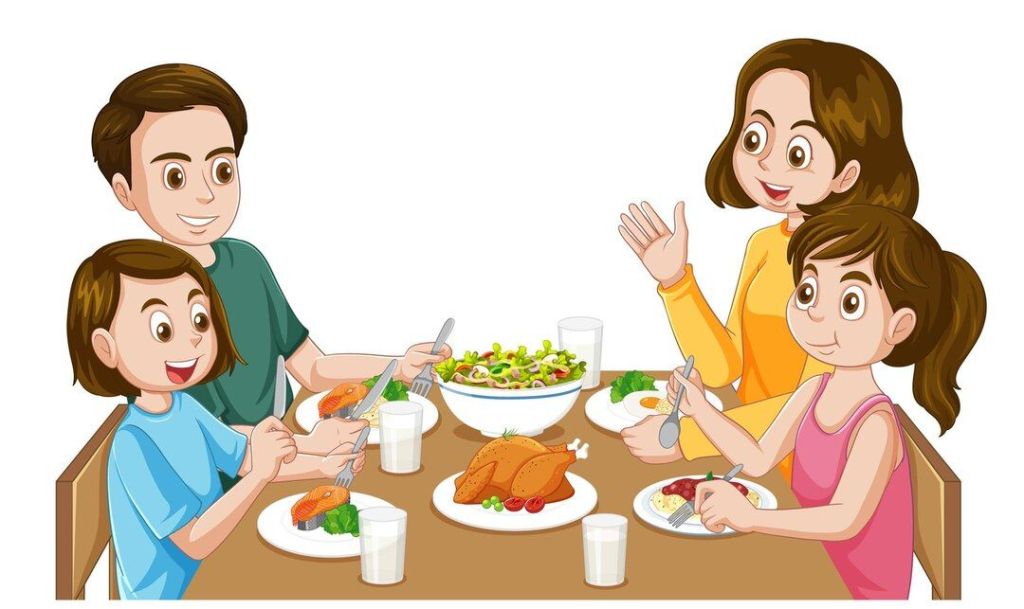
Though her schedule was packed, Lila made it a point to eat dinner with her son every night without phones. Over time, it became their safe space to talk about school, friendships, and feelings. Years later, her son said, “Those dinners were when I felt closest to you.”

8. Adapt and Grow
Every stage of parenting requires change. Be willing to learn and evolve.
If your child used to enjoy cuddles but now needs space, respect that shift while finding new ways to connect—like sharing jokes or watching a show together.
When Asif’s daughter turned 14, she stopped wanting hugs and bedtime stories. Instead of taking it personally, he started writing her short notes and leaving them on her desk. She saved every one—and began opening up in her own way. His willingness to change kept their bond strong.
9. Teach Empathy and Gratitude
These values help children become kind, thoughtful individuals who appreciate what they have.
Encourage your child to donate toys or write thank-you cards. Talk about what others might be feeling.
During the holidays, the Sharma family volunteered at a food bank. Their son, Aarav, asked why some people didn’t have enough to eat. His parents gently explained and encouraged him to help pack bags. That evening, he said, “I’m glad we helped. Can we do it again next yea

10. Take Care of Yourself
You can’t give your best to your child if you’re constantly drained. Self-care isn’t selfish—it’s essential.
Let your child see you rest, take walks, or read a book. It teaches them balance.
After months of burnout, Meera started setting aside 20 minutes a day just for herself. Her mood improved, and her son noticed. “You laugh more now, Mom,” he said. That small shift helped her become a calmer, more patient parent—and a better role model for her child.
Being an ideal parent doesn’t mean having all the answers. It means showing love, offering guidance, listening deeply, and growing right alongside your child. With each moment of patience, empathy, and presence, you’re shaping not only your child’s future—but your legacy as a parent.
Latest Post
- Overthinking: The Mental Trap That Steals Peace – Why we do it, how it harms us, and what we can do to break free
- ADHD: Not a Lack of Discipline, but a Different Way of Being
- Signs That You Are Ruining Your Relationship – How to recognize harmful patterns before it’s too late
- Why Faithful People Cheat: The Quiet Cracks That Break Relationships—and How to Heal Them
- Why Women Blame Their Husbands for All Their Problems(And what is really going on beneath the surface)
Share on your favourite social media
Follow us on our social media platforms
Get in touch with us by filling the form below


 Dr. Alfred D'Silva
Leave a reply to Sapna Cancel reply