

We’ve all done it.
“I’m too tired.”
“I’ll start tomorrow.”
“It’s not the right time.”
“I don’t have what it takes.”
“If only I had more money, more time, more support…”
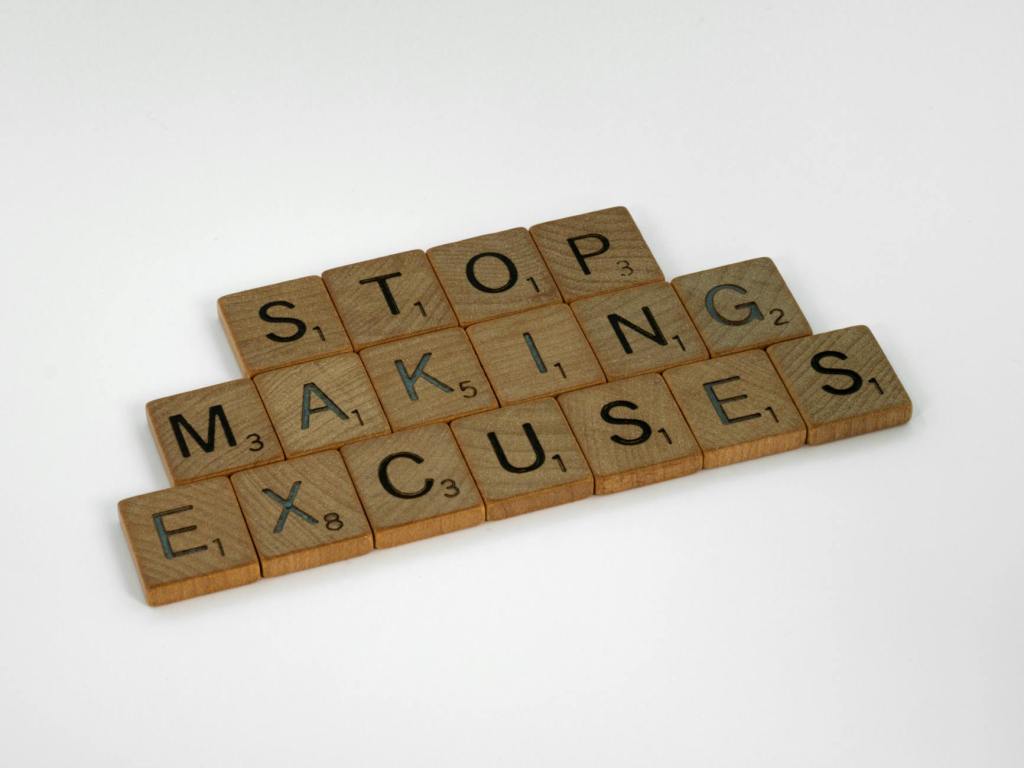
Excuses. They seem harmless. They even sound reasonable. But make no mistake—excuses are powerful. And if we’re not careful, they can quietly become the strongest force holding us back.
Excuses Feel Safe—but They’re a Trap
At their core, excuses are defense mechanisms. They protect us from discomfort, failure, fear, and even success. They allow us to stay where we are and avoid the unknown.
Excuses feel good in the moment because they remove pressure. They relieve us of the need to act. But the relief is temporary—and the cost is long-term. The more we use them, the more they become part of our identity. Eventually, we don’t just make excuses—we live them.
The Psychology Behind Excuses
Excuses aren’t just laziness. They often come from deeper places:
- Fear of failure: “What if I try and don’t succeed?”
- Fear of judgment: “What will people think?”
- Low self-worth: “Maybe I’m just not good enough.”
- Comfort addiction: “Why push myself when things are okay?”
Our brain is wired to avoid pain. Excuses are how it negotiates with our ambition.
Excuses Can Sound Like Logic
Here’s the tricky part—excuses are sneaky. They often disguise themselves as rational thinking:
- “I’m not ready yet.” (You’ll never be 100% ready.)
- “It’s too risky.” (So is staying stagnant.)
- “I have too many responsibilities.” (You always will.)
Excuses often sound like the truth. But ask yourself this: Is it the truth—or just a comfortable version of it?
Excuses Keep You Stuck
Every time you choose an excuse, you delay growth. You reject progress. You trade your potential for momentary comfort.
The dream you put off? It fades.
The opportunity you ignored? It passes.
The person you could become? You never meet them.
And perhaps the scariest part? You start to believe your own excuses. You build a life based not on your goals—but on your limitations.
Excuses vs. Reasons: Know the Difference
Not everything you don’t do is an excuse. Sometimes life genuinely gets in the way. The difference lies in intention:
- A reason acknowledges the obstacle but looks for a way forward.
- An excuse uses the obstacle as a permanent stopping point.
Be honest with yourself. Are you dealing with a real barrier—or hiding behind one?
How to Break Free From Excuses
- Take radical responsibility
Own your choices. Stop blaming circumstances. The moment you take full responsibility, you take your power back. - Challenge your beliefs
“I can’t do this.”
Ask yourself: Says who? Based on what? - Start small, stay consistent
Excuses thrive when goals feel overwhelming. Break them down. Focus on progress, not perfection. - Get uncomfortable
Growth lives outside your comfort zone. Learn to sit with discomfort without retreating into excuses. - Surround yourself with truth-tellers
Find people who challenge your narrative, not just validate it.
Summing it up
Excuses are powerful—but so are you.
They will always be available. They will always sound tempting. But they will never take you where you truly want to go.
The next time you hear an excuse in your mind, pause and ask yourself:
Is this helping me grow—or keeping me small?
Because on the other side of your excuse… is your potential.
Latest post
- Overthinking: The Mental Trap That Steals Peace – Why we do it, how it harms us, and what we can do to break free
- ADHD: Not a Lack of Discipline, but a Different Way of Being
- Signs That You Are Ruining Your Relationship – How to recognize harmful patterns before it’s too late
- Why Faithful People Cheat: The Quiet Cracks That Break Relationships—and How to Heal Them
- Why Women Blame Their Husbands for All Their Problems(And what is really going on beneath the surface)
Connect with us on social media
Share on your favorite social media platforms
Get in touch with us by filling the form below


 Dr. Alfred D'Silva
Leave a comment