
Stress and anxiety are natural responses to challenges, but when they become chronic or overwhelming, they can have devastating effects on mental and physical well-being. While occasional stress can be motivating, excessive worry and anxiety can erode happiness, strain relationships, and even lead to serious health issues.
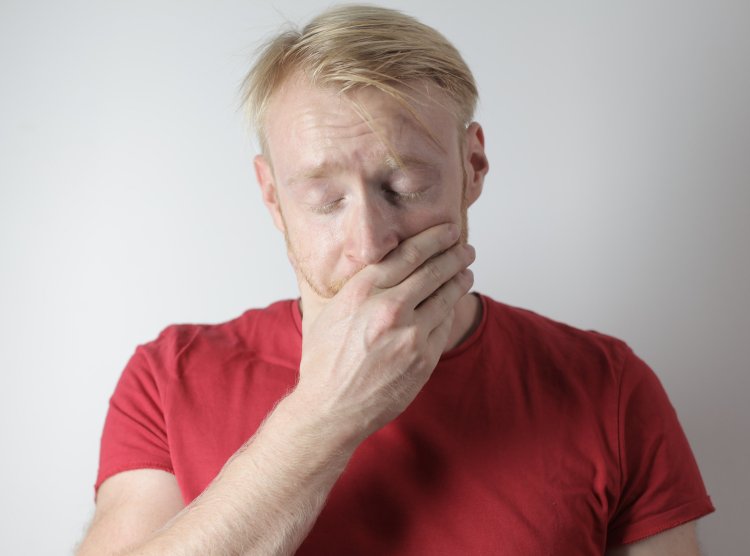
The Mental Toll of Stress and Anxiety
One of the most immediate effects of stress and anxiety is the impact on mental health. Persistent worry can lead to:
Depression – Constant stress can drain a person’s energy, making them feel hopeless and unmotivated.
Irritability and Mood Swings – Small inconveniences may trigger strong emotional reactions.
Poor Concentration – Anxiety makes it difficult to focus, affecting work and daily tasks.
Insomnia – Racing thoughts and excessive worry can make restful sleep nearly impossible.
Over time, these effects can create a cycle where stress fuels more anxiety, making it harder to break free from negative thought patterns.
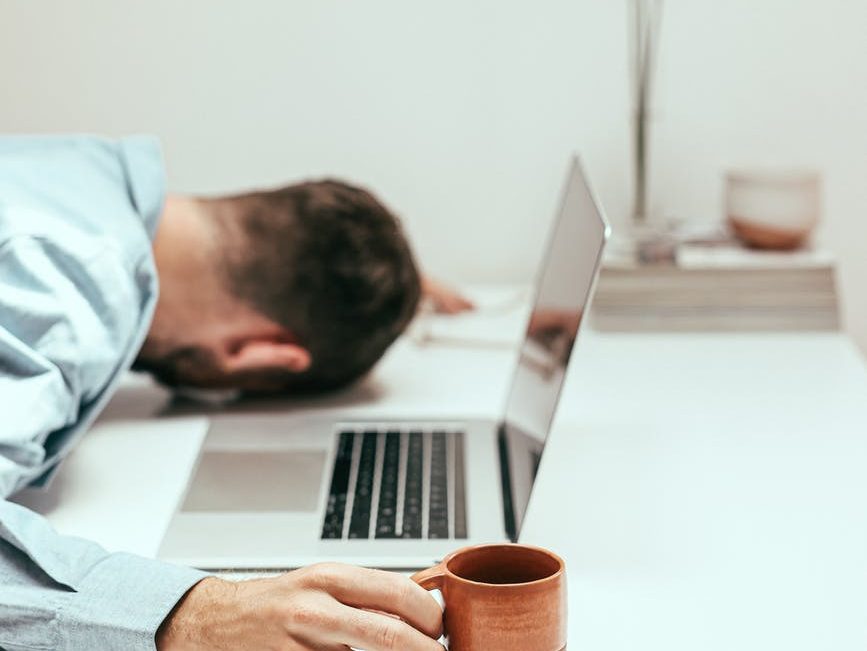
Physical Consequences of Chronic Stress
Stress doesn’t just affect the mind—it also takes a toll on the body:
Heart Problems – Chronic stress increases the risk of high blood pressure, heart disease, and strokes.

Weakened Immune System – The body becomes more susceptible to illnesses.
Digestive Issues – Stress can lead to stomachaches, acid reflux, and irritable bowel syndrome (IBS).
Chronic Pain – Tension from stress can cause headaches, back pain, and muscle tightness.
Ignoring stress for too long can result in long-term health problems that affect quality of life.

Impact on Relationships and Career
Anxiety and stress can push people into isolation. Sufferers may:
Withdraw from friends and family due to exhaustion or feeling overwhelmed.
Become overly critical, impatient, or distant in relationships.
Avoid social gatherings because of anxiety, leading to loneliness.

At work, stress can lead to:
Procrastination and missed deadlines, due to feeling overwhelmed.
Burnout, which makes it hard to stay motivated.
Job loss or career stagnation, as high anxiety may prevent individuals from taking risks or advancing in their field.
The financial strain caused by stress-related job struggles can further increase anxiety, creating a harmful cycle.
How Counseling and Homeopathy Can Help

Benefits of Counseling for Stress and Anxiety
Counseling is a proven method to help people cope with stress and anxiety in a healthy way. Some benefits include:
1. Emotional Support – Speaking to a trained professional can help individuals feel heard and understood.
2. Coping Strategies – Therapists provide techniques like mindfulness, cognitive behavioral therapy (CBT), and relaxation exercises to manage stress.
3. Improved Relationships – Counseling helps individuals express their feelings better and build healthier relationships.
4. Breaking Negative Thought Patterns – A therapist can help reframe negative thinking and develop a more positive mindset.
5. Long-Term Resilience – Counseling equips individuals with tools to handle future stress more effectively.

How Homeopathy Can Help Manage Stress and Anxiety
Homeopathy offers a natural, holistic approach to treating stress and anxiety. It focuses on restoring balance in the body and mind without the risk of dependency or side effects that can come with conventional medications.
Key Homeopathic Remedies for Stress and Anxiety
Arsenicum Album – Helps individuals who experience restlessness, perfectionism, and fear of failure.
Argentum Nitricum – Effective for those with anticipatory anxiety and nervousness before events.
Gelsemium – Ideal for people who suffer from performance anxiety and lack of confidence.
Ignatia Amara – Helps with grief, emotional distress, and mood swings.
Kali Phosphoricum – Useful for mental exhaustion and stress-related fatigue.
Aconitum Napellus – Beneficial for sudden panic attacks and extreme fear.
Benefits of Homeopathy for Stress and Anxiety
Non-addictive and gentle – Unlike conventional anti-anxiety medications, homeopathic remedies do not cause dependency.
Treats the root cause – Homeopathy focuses on emotional and physical well-being rather than just suppressing symptoms.
Individualized treatment – Remedies are tailored to each person’s specific symptoms and personality.
Supports overall health – Homeopathy can improve sleep, digestion, and immunity, which are often affected by stress.
To sum it up
Stress and anxiety, if left unchecked, can affect every aspect of life—from health and relationships to career and happiness. While conventional treatments can be helpful, counseling and homeopathy offer natural, holistic ways to regain balance. Counseling provides emotional support and practical coping strategies, while homeopathy restores inner harmony without side effects.
By choosing the right approach, managing stress with lifestyle changes, and seeking support, individuals can overcome anxiety and lead a calmer, healthier life.
Share on your favourite social media
Follow us on social media
Read Our Latest Blogs
- Overthinking: The Mental Trap That Steals Peace – Why we do it, how it harms us, and what we can do to break free
- ADHD: Not a Lack of Discipline, but a Different Way of Being
- Signs That You Are Ruining Your Relationship – How to recognize harmful patterns before it’s too late
- Why Faithful People Cheat: The Quiet Cracks That Break Relationships—and How to Heal Them
- Why Women Blame Their Husbands for All Their Problems(And what is really going on beneath the surface)
If you or a loved one is experiencing stress and needs to talk to someone, please feel free to connect with us. we would be glad to help. Fill the form below and get in touch with us.


 Dr. Alfred D'Silva
Leave a comment