
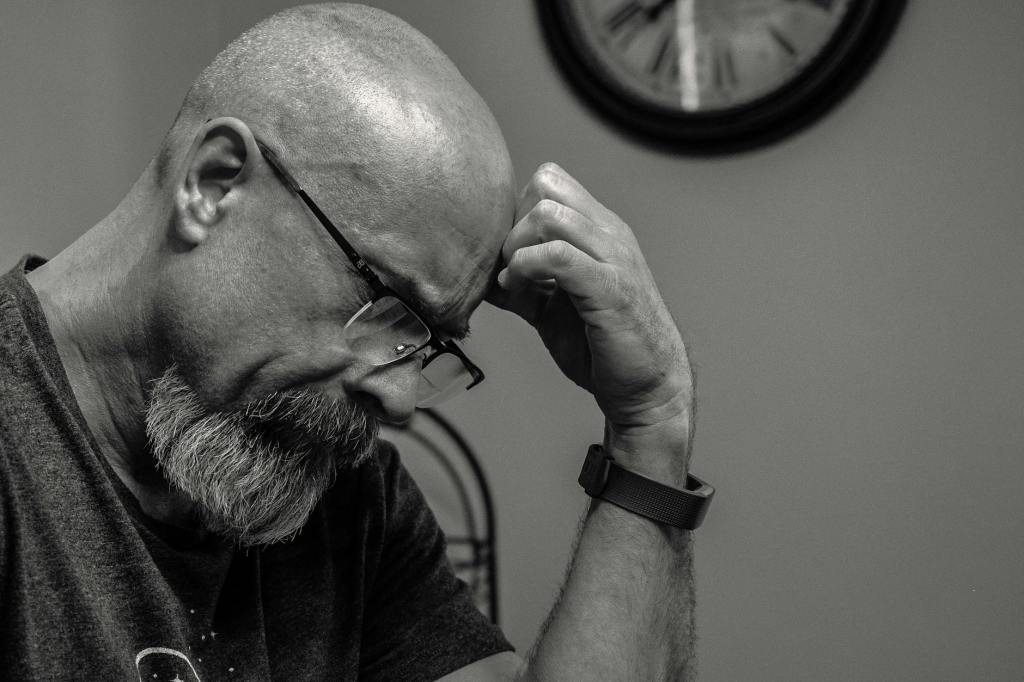
In our fast-paced and unpredictable world, the desire to maintain order and predict outcomes can feel like a survival strategy. However, when this desire becomes obsessive, it leads to overthinking and control addiction—two psychological habits that sabotage peace, creativity, and joy.
While overthinking drowns us in endless “what ifs” and imagined scenarios, control addiction pushes us to micromanage people, plans, and outcomes. Together, they create a toxic cycle that leads to stress, anxiety, and burnout.
Let’s explore what these behaviors are, why they develop, and how to break free.
1. Understanding Overthinking
Overthinking is the act of analyzing, worrying, or ruminating excessively over events, decisions, or possibilities—often without reaching a solution. People who overthink tend to replay conversations, predict disasters, and obsess over every detail.
Sarah is invited to a party. Instead of feeling excited, she starts replaying the last conversation she had with the host, wondering if she offended them. She overanalyzes what to wear, who might be there, and whether she’ll say something awkward. Eventually, she cancels out of anxiety.
Root causes of overthinking:
*Fear of failure or embarrassment
*Need for perfection
*Low self-confidence
*Past experiences of unpredictability or trauma
2. Understanding Control Addiction
Control addiction is the compulsive need to manage people, situations, and outcomes to avoid discomfort or uncertainty. It stems from a deep belief that “If I don’t control everything, something bad will happen.”
Mark insists on planning every family trip down to the minute. He books all activities, checks the weather hourly, and becomes irritable when others deviate from the plan. His need for control makes the vacation stressful instead of fun.
Root causes of control addiction:
*Fear of the unknown
*Childhood experiences where safety depended on predictability
*Anxiety masked as responsibility
*Lack of trust in others or life itself
3. How Overthinking and Control Feed Each Other
Overthinking and control addiction form a vicious cycle:
Overthinking creates fear and uncertainty.
To cope, the person seeks control.
When control doesn’t bring relief (because life is unpredictable), more overthinking begins.
This cycle can lead to strained relationships, missed opportunities, and emotional exhaustion.
4. Breaking Free: Principles for Change
Principle 1: Embrace Uncertainty as a Teacher
“Not everything can be figured out. And that’s okay.”
Rather than fearing uncertainty, try viewing it as a space for growth. Trust that not knowing everything is part of being human—and often where the magic happens.
A young entrepreneur once delayed launching her startup for a full year, trying to perfect every detail. After finally launching, she realized most of her plans had to change anyway. What helped her succeed wasn’t control—it was flexibility.
Principle 2: Let Go of the Illusion of Control
“Control is not peace. Surrender is.”
Life doesn’t follow our scripts. The more we try to force things, the more we suffer. Try practicing “detached involvement”—do your best, then release attachment to the outcome.
Instead of planning every detail of a family gathering, allow space for spontaneity. Focus on connection over perfection.
Principle 3: Practice Mindfulness and Self-Compassion
“You don’t have to believe every thought you think.”
Mindfulness helps you observe thoughts without becoming them. Self-compassion allows you to treat yourself gently when you fall into old habits.
Try this:
Pause.
Breathe.
Ask yourself: Is this thought helpful? Or am I spiraling?
Principle 4: Focus on What You Can Control—Your Response
“You can’t control the wind, but you can adjust your sails.”
Instead of obsessing over what you can’t control (others, outcomes), focus on what you can: your attitude, effort, and behavior.
5. Practical Tips to Start Today
Journal daily to untangle your thoughts.
Limit decision-making time to avoid analysis paralysis.
Delegate and trust others to handle tasks.
Set boundaries with your own mind—schedule “worry time” and stick to it.
Celebrate small steps toward letting go.
Conclusion
Overthinking and control addiction may feel like protective mechanisms, but they often create more chaos than calm. The truth is, life will always carry uncertainties—and that’s not a problem to solve, but a mystery to embrace.
By recognizing these patterns and practicing surrender, presence, and trust, we begin to live with more freedom, authenticity, and peace.
If you need any guidance to overcome overthinking and control addiction, feel free to get in touch with us by filling the form below
Follow us on social media
Share this page on
Read our Latest Post
- Overthinking: The Mental Trap That Steals Peace – Why we do it, how it harms us, and what we can do to break free
- ADHD: Not a Lack of Discipline, but a Different Way of Being
- Signs That You Are Ruining Your Relationship – How to recognize harmful patterns before it’s too late
- Why Faithful People Cheat: The Quiet Cracks That Break Relationships—and How to Heal Them
- Why Women Blame Their Husbands for All Their Problems(And what is really going on beneath the surface)
Get in touch with us by filling the form below


Never shy from asking for help
When you face an issue ask for help. you are not the only one having problems. Everyone faces problems. Don’t need to be embarrassed about it. Ask for help from the people who can help you. Talk to your parents. elders, friends, relatives. or you can talk to us.
Website built with WordPress
 Dr. Alfred D'Silva
Leave a comment