
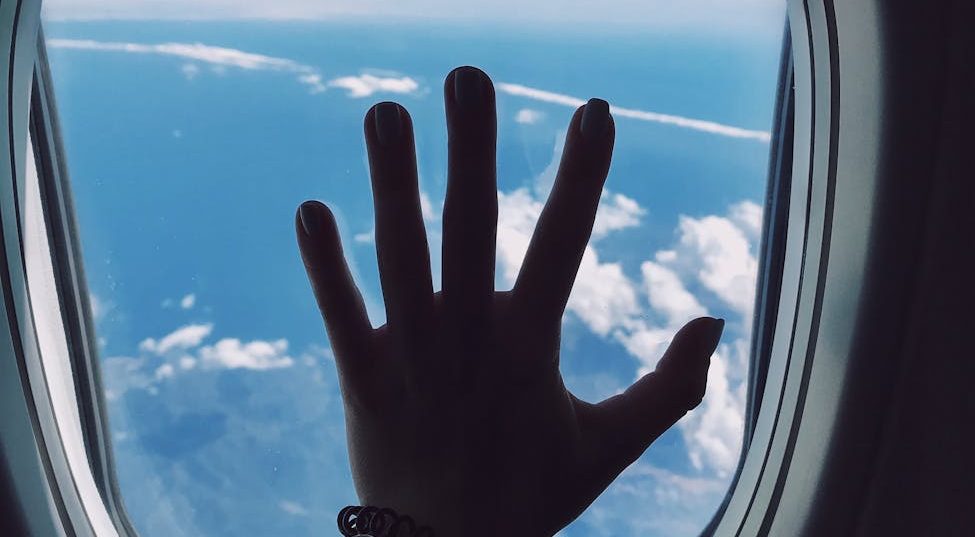
In recent times, news of multiple airplane crashes has reignited deep fears in travelers across the world. Even those who once flew with ease now hesitate. For people already struggling with aviophobia — fear of flying — these events can reinforce their anxiety, making air travel feel not just uncomfortable but terrifying.
But while these fears are understandable, it is also essential to respond to them with perspective, knowledge, and practical tools. Fear is natural, but it does not have to be paralyzing.
Why Does Fear of Flying Intensify After Crashes?
High-profile crashes, even if rare, capture global attention. Sensational media coverage, emotional images, and endless analysis can create the illusion that flying is unsafe. Our brains are wired to react strongly to fear-based imagery, which causes us to overestimate risk.
Even though the statistical reality shows air travel remains one of the safest forms of transport, emotions often override facts, especially after tragedies.
Understanding the Reality of Air Safety
Here are a few important facts to keep your fear in check:
Aviation safety has improved drastically in the last few decades due to technology, training, and regulation.
The vast majority of flights—over 100,000 daily—land safely.
Air crashes are rare and often lead to further safety improvements to prevent recurrence.
Every incident is deeply investigated, and the aviation industry constantly learns and adapts.
Crashes, though tragic, are not the norm — they are exceptions that push the industry toward higher safety standards.
How to Cope with the Fear of Flying Today
1. Acknowledge Your Fear Honestly
Fear is valid, especially after traumatic events. Do not suppress it. Talk about it with people you trust or a professional. Naming the fear often reduces its power.
After seeing news of a recent crash, Aman canceled two flights and stayed grounded. With counseling and structured exposure therapy, he later boarded a plane again — not because the fear disappeared, but because he learned to manage it.
2. Filter the Information You Consume
Constant news and social media updates can fuel your anxiety. Be intentional about limiting exposure to graphic or speculative reports. Choose balanced, fact-based sources and avoid sensational headlines.
3. Ground Yourself in Statistics
Use reason to counterbalance fear. Compare the number of safe landings daily to the number of incidents. You are far more likely to be in a car accident than a plane crash.
Tip: Bookmark a few reliable aviation safety sites (like IATA or ICAO) to read about industry practices instead of relying on fear-driven posts.
4. Use Calming Techniques Before and During the Flight
*Deep breathing to reduce panic.
*Guided meditations or anxiety apps.
*Visualization of a peaceful flight and safe landing.
*Distraction techniques (reading, listening to music, watching a movie).
5. Enroll in Fear of Flying Programs
Many airlines and mental health centers now offer fear-of-flying workshops, often led by pilots and psychologists. These programs include cockpit visits, turbulence simulations, and Q&A sessions to explain how flying works.
6. Talk to the Flight Crew
Let the crew know you’re a nervous flyer. They can explain turbulence, reassure you, or simply check in on you more often. Knowing someone understands your fear can reduce its intensity.
7. Seek Professional Help if the Fear Becomes Disabling
If your fear prevents you from traveling for work or seeing loved ones, therapy — especially Cognitive Behavioral Therapy (CBT) — can be highly effective. It helps you identify distorted thoughts and replace them with more balanced perspectives.
Traveling With Courage in a Fearful Time
In the wake of recent air disasters, it’s normal to feel anxious. But it’s also important to recognize that fear, while loud, is not always truthful. Most flights will still land safely. And aviation authorities will continue to do everything in their power to make air travel safer each year.
You can honor your fear — and still choose to move forward.
“Feel the fear and do it anyway.” – Susan Jeffers
If you need to talk about your fear of flying, get in touch with us by filling the form below
Follow us on social media
Share this page on
Read our Latest Post
- Overthinking: The Mental Trap That Steals Peace – Why we do it, how it harms us, and what we can do to break free
- ADHD: Not a Lack of Discipline, but a Different Way of Being
- Signs That You Are Ruining Your Relationship – How to recognize harmful patterns before it’s too late
- Why Faithful People Cheat: The Quiet Cracks That Break Relationships—and How to Heal Them
- Why Women Blame Their Husbands for All Their Problems(And what is really going on beneath the surface)
Get in touch with us by filling the form below


Never shy from asking for help
When you face an issue ask for help. you are not the only one having problems. Everyone faces problems. Don’t need to be embarrassed about it. Ask for help from the people who can help you. Talk to your parents. elders, friends, relatives. or you can talk to us.
Website built with WordPress
 Dr. Alfred D'Silva
Leave a comment