
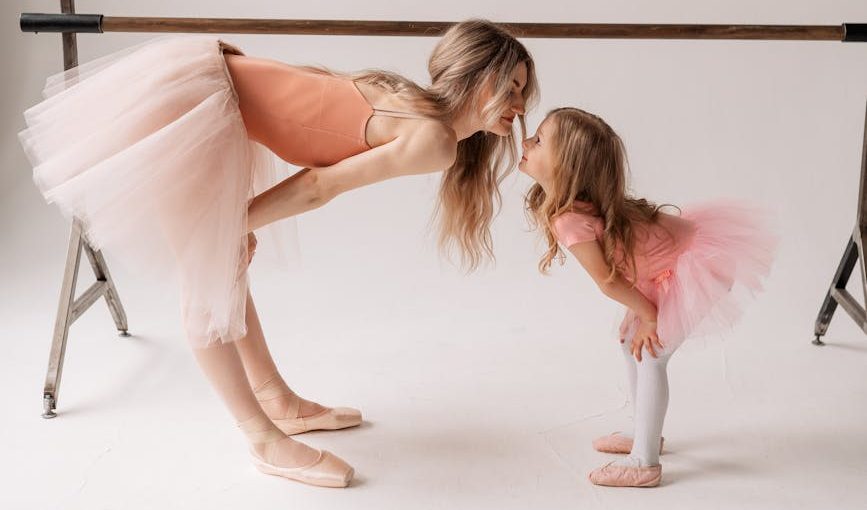
Discipline is not about punishment or rigid control—it’s about developing self-awareness, responsibility, and consistency. When children build discipline without external pressure, they grow up more confident, resilient, and self-motivated. As parents, caregivers, or teachers, our role is to guide them gently—not push them harshly.
Here’s how children can develop discipline in a healthy, pressure-free way:
1. Set Clear and Reasonable Expectations
Children thrive when they know what’s expected of them. But too many rules or unrealistic standards can overwhelm them.
Instead of saying, “You must study for two hours every day,” say, “Let’s set a daily study time that works for you. How about 30 minutes after your snack?”
8-year-old Aarav was struggling with his homework because his parents expected him to sit for long stretches. Once his parents reduced the study time and included breaks, he became more focused and completed tasks willingly.
2. Turn Routines into Rhythms
Routines help children anchor their day. Instead of forcing schedules, involve them in designing a daily rhythm.
Use a visual chart with drawings showing steps like brushing teeth, getting dressed, and packing the school bag.
Why it works: When kids help plan their routine, they feel ownership. That ownership fuels discipline.
3. Encourage Self-Reflection, Not Guilt
Instead of scolding children for missing a task, ask reflective questions.
Ask: “What made it hard to finish your homework today?”
Avoid saying: “You’re always so lazy!”
Outcome: Children learn to evaluate their choices and make adjustments without feeling shamed.
4. Celebrate Effort Over Outcome
Discipline is built by consistent effort—not just good results.
If your child practices the piano every day but struggles with a song, praise their effort: “I saw you trying every day. That’s real dedication!”
Why it matters: Children begin to value the process, not just the result.
5. Use Play to Teach Self-Control
Playtime offers countless moments to build discipline: waiting for turns, following rules, managing disappointment.
Board games, timed challenges, or memory games help children develop patience and focus in a fun way.
Maya, age 6, used to get upset when she lost. Her mother started playing games with her and modeling calm behavior. Over time, Maya learned to regulate her emotions—even outside play.
6. Be a Calm and Consistent Role Model
Children watch more than they listen. If they see adults being disciplined without stress—waking up on time, managing emotions—they imitate that naturally.
Tip: Narrate your own discipline efforts. “I’m feeling tired, but I’ll still cook dinner now, so we stay on schedule.”
7. Allow Natural Consequences
Let children face the results of their choices in safe situations.
For example, If a child forgets to pack their homework, let them explain it to the teacher rather than rescuing them each time.
Outcome: They learn accountability without feeling nagged or punished.
Final Thoughts:
Discipline built without pressure becomes internalized.
It empowers children to take responsibility for their actions, manage time, and handle challenges.
By offering guidance, empathy, and structure instead of control, we allow children to discover discipline as a path to freedom—not fear.
If you need any guidance to better your child’s discipline, feel free to get in touch with us by filling the form below
Follow us on social media
Share this page on
Read our Latest Post
- Overthinking: The Mental Trap That Steals Peace – Why we do it, how it harms us, and what we can do to break free
- ADHD: Not a Lack of Discipline, but a Different Way of Being
- Signs That You Are Ruining Your Relationship – How to recognize harmful patterns before it’s too late
- Why Faithful People Cheat: The Quiet Cracks That Break Relationships—and How to Heal Them
- Why Women Blame Their Husbands for All Their Problems(And what is really going on beneath the surface)
Get in touch with us by filling the form below


Never shy from asking for help
When you face an issue ask for help. you are not the only one having problems. Everyone faces problems. Don’t need to be embarrassed about it. Ask for help from the people who can help you. Talk to your parents. elders, friends, relatives. or you can talk to us.
Website built with WordPress
 Dr. Alfred D'Silva
Leave a comment