
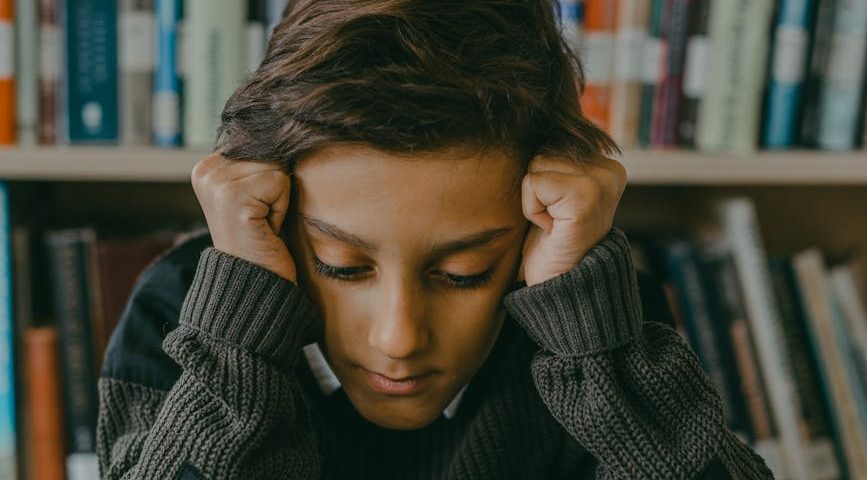
Anxiety is no longer just an adult issue. Today, more children than ever face stress and anxiety — whether from academic pressure, social challenges, family tension, or fear of failure. But unlike adults, children often lack the emotional vocabulary or tools to manage these big feelings.
As parents, teachers, or caregivers, we play a critical role in helping children recognize, understand, and regulate anxiety. With the right guidance, children can grow into emotionally resilient individuals capable of managing life’s ups and downs.
🌟 Why Do Children Experience Anxiety?
Children may feel anxious when:
- Facing school exams or homework pressure
- Starting a new school or social group
- Witnessing conflict at home
- Feeling they don’t meet expectations
- Dealing with bullying or peer rejection
- Watching or hearing disturbing news
Since children don’t always express anxiety in words, it often shows up in behavior — tantrums, headaches, avoidance, stomachaches, or restlessness.
🧠 8 Practical Ways to Teach Children to Handle Anxiety
1. Name the Feeling
Teach children that anxiety is a normal emotion. Help them label what they’re feeling.
Say: “It sounds like you’re feeling worried. That’s okay. We all feel that way sometimes.”
✅ This builds emotional awareness and reduces shame around anxiety.
2. Use Calming Breathing Techniques
Teach simple deep breathing exercises to help calm their body and mind. For example:
“Smell the flower, blow out the candle” (inhale through the nose, exhale through the mouth).
4-7-8 breathing (inhale 4 seconds, hold 7, exhale 8).
✅ Controlled breathing regulates the nervous system.
3. Create a Worry Box
Let them write or draw their worries and drop them in a “worry box.” At the end of the day, you can talk about them together.
✅ This externalizes worry and gives them a sense of control.
4. Model Calm Behavior
Children learn more from what we do than what we say. If you remain calm in stressful moments, your child will imitate your response.
Say: “I’m feeling a bit anxious too, but I’m going to take a few breaths and handle it calmly.”
✅ Demonstrating healthy coping builds trust and learning.
5. Avoid Avoidance
Avoiding anxiety-inducing situations may feel helpful short-term, but it strengthens anxiety in the long run.
Encourage gradual exposure with your support:
“Let’s walk into your classroom together. You don’t have to talk if you’re not ready — just be there.”
✅ Facing fears builds bravery over time.
6. Teach Positive Self-Talk
Anxious kids often think negatively. Help them replace fearful thoughts with reassuring ones.
Instead of: “I’ll mess up.”
Try: “I’ll try my best, and that’s enough.”
✅ This reprograms the brain to respond more confidently.
7. Build a Safe Routine
Predictable routines provide emotional safety. Try to keep bedtime, meals, and homework consistent.
✅ A structured environment calms an anxious mind.
8. Celebrate Small Wins
When your child handles a stressful moment, praise the effort — not just the outcome.
Say: “I noticed you stayed in class even though you were nervous. That took courage.”
✅ Encouragement strengthens resilience and self-trust.
💬 When to Seek Professional Help
If anxiety is interfering with your child’s sleep, appetite, school, or relationships — or causing panic attacks — it may be time to consult a psychologist, counselor, or pediatrician. Therapies like CBT (Cognitive Behavioral Therapy) or play therapy can work wonders.
🌿 Final Thoughts
You can’t protect your child from every worry, but you can teach them how to face it. With love, guidance, and the right tools, children can grow up with confidence in their ability to handle life’s storms.
“Anxiety is not the enemy. It’s a signal — and with support, every child can learn to respond, not just react.”
If you need any guidance on how to help your child calm down, feel free to get in touch with us by filling the form below
Follow us on social media
Share this page on
Read our Latest Post
- Overthinking: The Mental Trap That Steals Peace – Why we do it, how it harms us, and what we can do to break free
- ADHD: Not a Lack of Discipline, but a Different Way of Being
- Signs That You Are Ruining Your Relationship – How to recognize harmful patterns before it’s too late
- Why Faithful People Cheat: The Quiet Cracks That Break Relationships—and How to Heal Them
- Why Women Blame Their Husbands for All Their Problems(And what is really going on beneath the surface)
Get in touch with us by filling the form below


Never shy from asking for help
When you face an issue ask for help. you are not the only one having problems. Everyone faces problems. Don’t need to be embarrassed about it. Ask for help from the people who can help you. Talk to your parents. elders, friends, relatives. or you can talk to us.
Website built with WordPress
 Dr. Alfred D'Silva
Leave a comment