
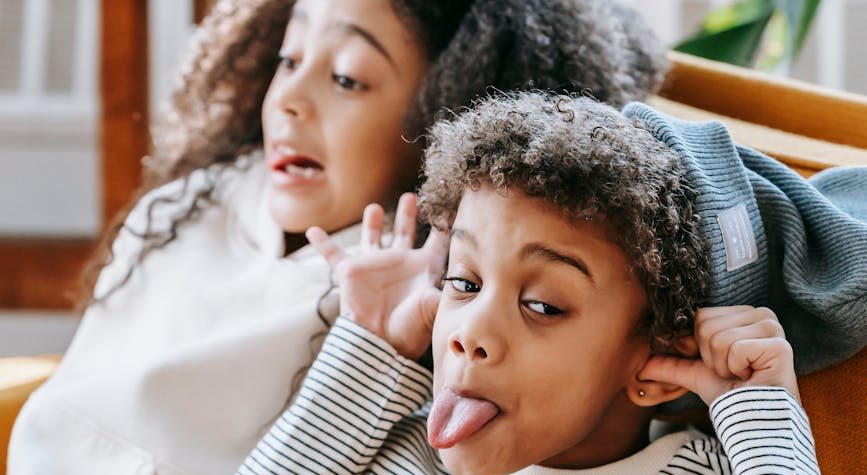
Sibling rivalry is as old as families themselves — a natural part of growing up with brothers and sisters. While occasional fights and jealousy are normal, unresolved sibling rivalry can turn toxic, damaging relationships for life and even affecting a child’s self-esteem.
What many parents don’t realize is that they often unintentionally fuel the rivalry — through comparisons, favoritism, or unfair discipline. But the good news is, with conscious parenting, the home can become a space of cooperation rather than competition.
🌪️ What is Sibling Rivalry?
Sibling rivalry is the competition, jealousy, and conflict that occurs between brothers and sisters. It can begin as early as infancy and peak in childhood, but it can also continue into adulthood if not addressed.
Rivalry often shows up as:
- Constant arguing or blaming
- Competing for attention or approval
- Teasing or fighting
- Tattling or trying to “one-up” each other
- Resentment over privileges or roles
🧨 How Parents Unknowingly Fuel Sibling Rivalry
1. Comparing Siblings
“Why can’t you be more like your brother?”
“She’s the smart one, you’re the creative one.”
Even well-intentioned comparisons create labels — the “good kid,” the “troublemaker,” the “responsible one.” These roles cause resentment and reinforce division.
2. Favoritism (Real or Perceived)
Sometimes it’s not actual favoritism but how a child perceives it. Giving more attention to one child due to age, illness, or needs can feel unfair to others.
3. Unfair Discipline
Punishing one child consistently while letting the other off the hook leads to feelings of injustice and hostility between siblings.
4. Making Older Kids Always Responsible
Holding older siblings accountable for younger ones’ behavior can breed resentment.
5. Falling Into the “Who Started It?” Trap
Parents who try to assign blame instead of focusing on resolution escalate conflicts instead of solving them.
🌈 How Parents Can Diffuse Sibling Rivalry
✅ 1. Avoid Comparisons
Praise each child individually for their own strengths.
Say: “I love how gentle you were with the dog today,” instead of “You’re more gentle than your brother.”
✅ 2. Give Equal Love, Not Identical Treatment
Fairness doesn’t always mean treating kids the same. What matters is that each child feels seen and valued.
“You get a later bedtime because you’re older. Your turn will come too.”
✅ 3. Encourage Teamwork Over Competition
Create opportunities where siblings must work together toward a common goal — cooking, building a puzzle, or tidying a room.
Reward cooperation with praise:
“I love how you both helped each other without fighting.”
✅ 4. Let Them Solve Some Disagreements
Don’t jump in at every squabble. Instead, guide them in using words, listening, and finding solutions.
“I trust you both can find a way to share that toy.”
This builds conflict resolution skills.
✅ 5. Spend One-on-One Time With Each Child
This helps reduce competition for attention and affirms their unique place in your heart.
✅ 6. Name the Feelings
Teach them to recognize and express their emotions, even if it’s jealousy or anger.
“It’s okay to feel upset that your sister got a new bike. Let’s talk about it.”
✅ 7. Model Respectful Conflict
Your kids watch how you handle disagreements with your spouse or others. Show them how to argue respectfully, without blame or yelling.
✅ 8. Celebrate Sibling Love
Share positive stories of your kids getting along. Acknowledge kindness between them.
“I noticed you gave your brother the last piece of chocolate — that was generous!”
❤️ Final Thought
Sibling rivalry doesn’t have to turn into a lifelong rift. With mindful parenting, you can raise children who not only coexist peacefully but grow into adults who support and cherish each other
Remember, children don’t need to be the same — they just need to feel equally loved, respected, and valued for who they are.
“Home should be the first place where children learn that there’s room for everyone’s light to shine.”
If you need any guidance to better your parenting, feel free to get in touch with us by filling the form below
Follow us on social media
Share this page on
Read our Latest Post
- Overthinking: The Mental Trap That Steals Peace – Why we do it, how it harms us, and what we can do to break free
- ADHD: Not a Lack of Discipline, but a Different Way of Being
- Signs That You Are Ruining Your Relationship – How to recognize harmful patterns before it’s too late
- Why Faithful People Cheat: The Quiet Cracks That Break Relationships—and How to Heal Them
- Why Women Blame Their Husbands for All Their Problems(And what is really going on beneath the surface)
Get in touch with us by filling the form below


Never shy from asking for help
When you face an issue ask for help. you are not the only one having problems. Everyone faces problems. Don’t need to be embarrassed about it. Ask for help from the people who can help you. Talk to your parents. elders, friends, relatives. or you can talk to us.
Website built with WordPress
 Dr. Alfred D'Silva
Leave a comment