

Every child misbehaves at times—whether it’s refusing to follow instructions, throwing tantrums, or arguing with parents. But when these behaviors become persistent, disruptive, or age-inappropriate, they may indicate underlying behavioral problems that need attention.
This article explores common behavioral issues in children, their possible causes, signs to watch out for, and effective strategies for parents to respond supportively and constructively.
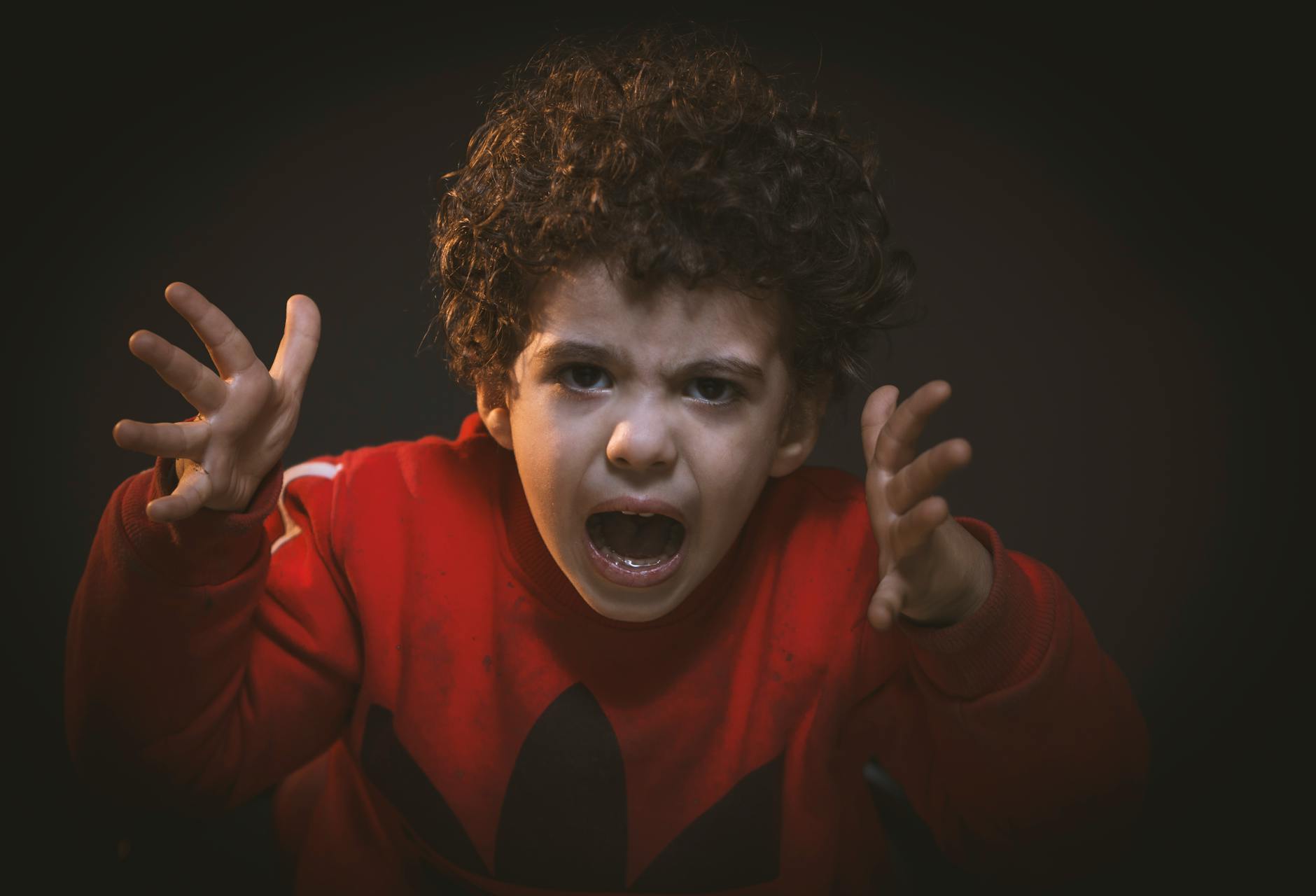
What Are Behavioral Problems?
Behavioral problems in children refer to patterns of actions that are disruptive, aggressive, defiant, or socially inappropriate. These behaviors often go beyond what’s typical for a child’s developmental stage and interfere with home life, school, and peer relationships.
They can be short-term (due to stress, trauma, or life changes) or long-term, possibly pointing to conditions like Oppositional Defiant Disorder (ODD), Attention Deficit Hyperactivity Disorder (ADHD), Conduct Disorder, or anxiety-related issues.
Common Behavioral Problems in Children
1. Tantrums and Meltdowns
Frequent emotional outbursts over small issues
Difficulty calming down or expressing frustration appropriately
2. Defiance and Disobedience
Constantly saying “no” or refusing to follow rules
Ignoring instructions deliberately
3. Aggression
Hitting, biting, pushing, or yelling at others
Destroying property or hurting siblings
4. Lying or Stealing
Dishonesty beyond occasional fibbing
Taking things without understanding consequences
5. Hyperactivity and Impulsiveness
Inability to sit still or focus
Acting without thinking about safety or consequences
6. Withdrawal or Social Difficulties
Avoiding interaction with others
Difficulty making or keeping friends
7. School Problems
Refusing to attend school
Poor academic performance due to behavior
What Causes Behavioral Problems?
Behavior doesn’t occur in a vacuum. Multiple factors can contribute, including:
Family environment: Harsh discipline, inconsistent parenting, parental conflict or stress
Biological influences: Brain development issues, genetics, or neurodivergence (e.g., ADHD, autism)
Emotional struggles: Anxiety, low self-esteem, depression, or trauma
Learning difficulties: Frustration due to undiagnosed learning disorders
Environmental stress: Bullying, divorce, bereavement, or relocation
When to Be Concerned
Occasional misbehavior is normal. But seek help if:
*The behavior is intense and frequent
*It affects school performance or peer relationships
*It persists for more than six months
*It causes harm to self or others
*It leads to legal or disciplinary issues at school
How Parents Can Help
1. Stay Calm and Connected
Children act out more when they feel disconnected or misunderstood. Instead of reacting with anger, respond with empathy and firmness.
Example: Say, “I see you’re upset. Let’s take a break and talk when you’re ready.”
2. Set Clear Expectations and Boundaries
Children feel more secure when they know the rules. Be consistent with discipline and follow through with consequences calmly.
Tip: Use charts or visual reminders for daily routines and behavior expectations.
3. Praise Positive Behavior
Catch your child being good. Praise reinforces the behavior you want to see more of.
Say: “Thank you for sharing your toys with your brother—that was kind.”
4. Create Structure and Routine
Predictability helps children manage their emotions better. Regular schedules for meals, sleep, homework, and play can reduce chaos.
5. Teach Emotional Regulation
Help children name their feelings (“You look frustrated”) and teach coping strategies like deep breathing, drawing, or taking a break.
6. Avoid Physical Punishment
Spanking or yelling may stop behavior momentarily but increases aggression and resentment in the long run. Use time-outs or loss of privileges instead.
7. Seek Professional Support
If problems persist, consult a child psychologist or pediatrician. Early intervention through behavior therapy, parent training, or play therapy can help children develop better coping skills.
A Story of Change
Rohan, a 7-year-old, was constantly throwing tantrums, refusing homework, and hitting classmates. His parents initially thought he was just being “naughty.” But after consulting a counselor, they discovered he had undiagnosed ADHD and low frustration tolerance. With therapy, a structured routine, and parent training, Rohan began showing remarkable improvement in behavior and school performance.
Final Thoughts
Behavioral problems in children are not a sign of “bad parenting” or “spoiled kids.” They are signals that a child needs help—guidance, structure, and understanding. With early support and a consistent, loving approach, most children can overcome these challenges and thrive.
If you need any guidance on parenting, feel free to get in touch with us by filling the form below
Follow us on social media
Share this page on
Read our Latest Post
- Overthinking: The Mental Trap That Steals Peace – Why we do it, how it harms us, and what we can do to break free
- ADHD: Not a Lack of Discipline, but a Different Way of Being
- Signs That You Are Ruining Your Relationship – How to recognize harmful patterns before it’s too late
- Why Faithful People Cheat: The Quiet Cracks That Break Relationships—and How to Heal Them
- Why Women Blame Their Husbands for All Their Problems(And what is really going on beneath the surface)
Get in touch with us by filling the form below


Never shy from asking for help
When you face an issue ask for help. you are not the only one having problems. Everyone faces problems. Don’t need to be embarrassed about it. Ask for help from the people who can help you. Talk to your parents. elders, friends, relatives. or you can talk to us.
Website built with WordPress
 Dr. Alfred D'Silva
Leave a comment