
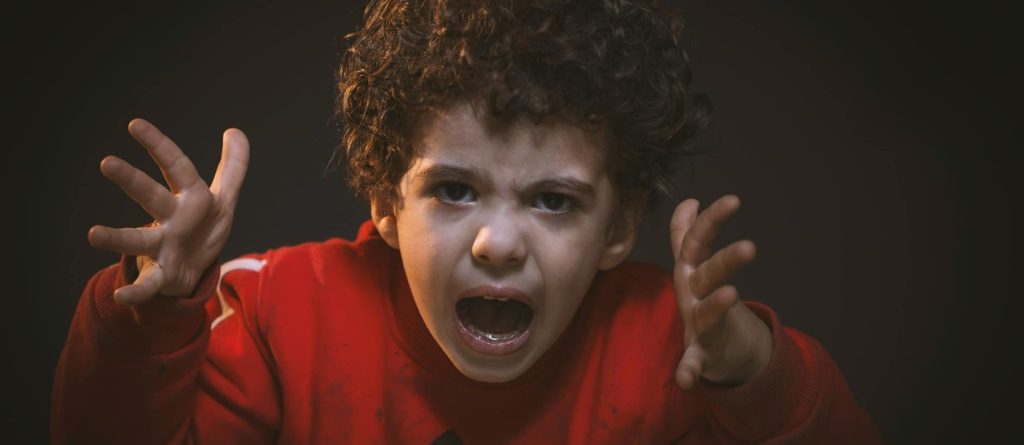
Raising children comes with its challenges, and one of the most common concerns parents face is managing behavior problems. While occasional misbehavior is normal as children learn and grow, persistent behavior issues may require attention and guidance. Understanding the causes, identifying different types of behavior problems, and applying effective parenting strategies can help parents foster a positive and healthy environment for their children.
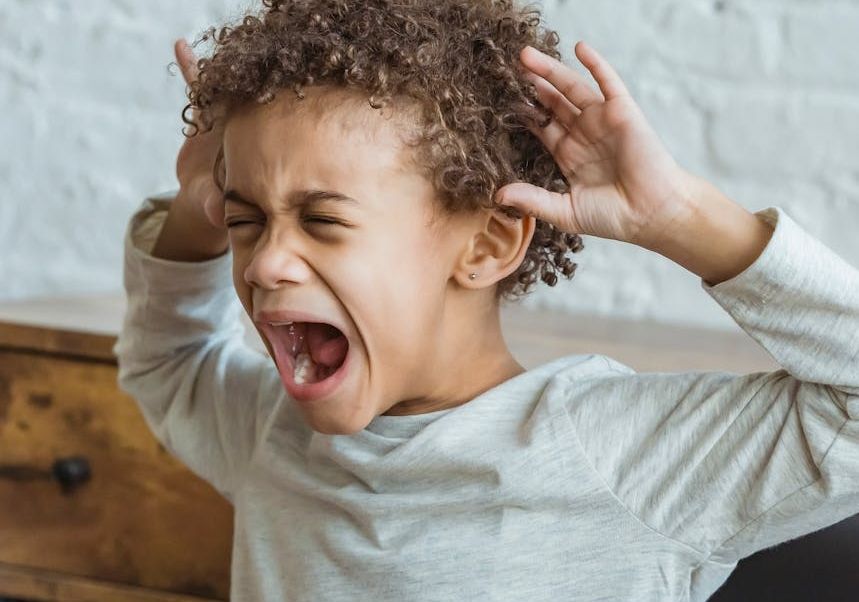
Common Causes of Behavior Problems
Children’s behavior is influenced by various factors, including:
Developmental Stage – Young children may struggle with impulse control, while teenagers may face emotional turbulence.
Family Environment – Lack of routine, inconsistent discipline, or family conflicts can contribute to behavioral issues.
Emotional Distress – Anxiety, fear, sadness, or frustration can manifest as behavioral problems.
Learning or Developmental Disorders – Conditions such as ADHD, autism, or learning disabilities can affect a child’s behavior.
Peer Influence – Exposure to negative behaviors from friends or media can shape a child’s actions.
Unmet Needs – Hunger, fatigue, lack of attention, or the need for independence can lead to behavioral outbursts.
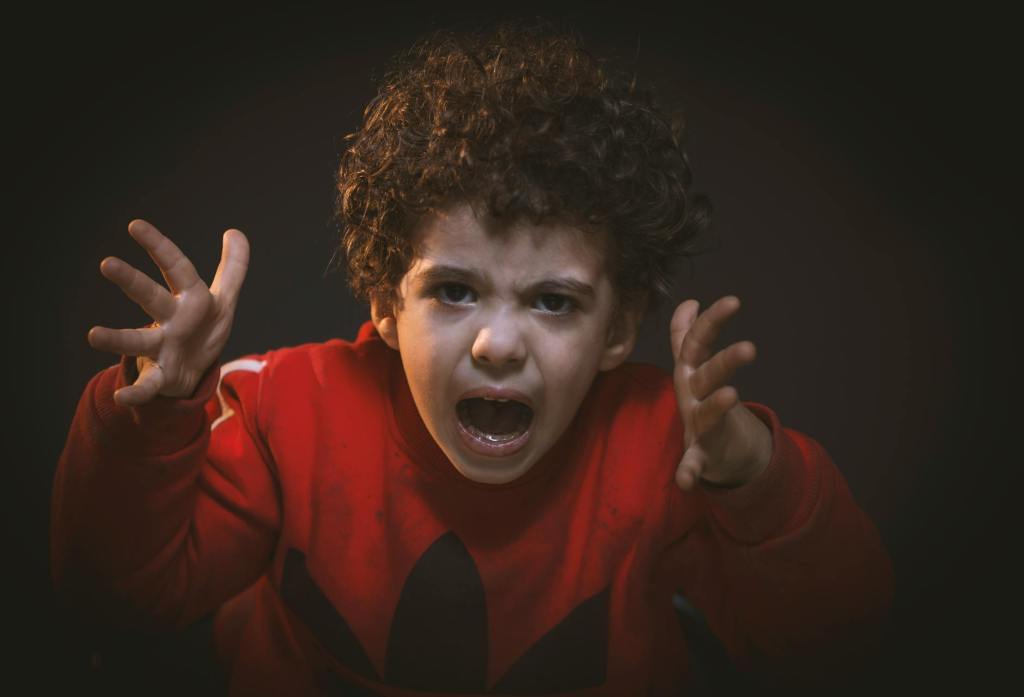
Types of Behavior Problems in Children
Children exhibit various behavior problems, including:
1. Temper Tantrums – Common in toddlers, tantrums occur due to frustration, tiredness, or the inability to express emotions.
2. Aggression – Hitting, biting, or shouting can be a response to anger, jealousy, or lack of coping skills.
3. Defiance and Disobedience – Refusing to follow rules or arguing with parents can be a sign of a need for independence.
4. Attention-Seeking Behavior – Constant interruptions, exaggeration, or misbehavior to gain attention.
5. Lying and Cheating – Often a result of fear of punishment, desire to impress, or difficulty understanding right from wrong.
6. Social Withdrawal – Avoiding social interactions may indicate anxiety, low self-esteem, or emotional struggles.
7. Impulsivity – Acting without thinking, common in children with ADHD or high energy levels.

Effective Parenting Tips for Managing Behavior Problems
1. Establish Clear Rules and Boundaries
Children need structure to understand what is expected of them. Set clear and consistent rules and explain the consequences of misbehavior.
2. Use Positive Reinforcement
Encourage good behavior with praise, rewards, and positive attention. For example, acknowledge when your child shares, listens, or follows instructions.
3. Stay Calm and Patient
Reacting with anger can escalate the situation. Instead, use a calm tone and address the behavior logically rather than emotionally.
4. Set a Good Example
Children learn by observing their parents. Demonstrate kindness, patience, and respect in your daily interactions.
5. Use Time-Outs Wisely
For younger children, a short time-out (1 minute per year of age) can be an effective way to help them calm down and reflect on their actions.
6. Teach Emotional Regulation
Help your child recognize and express emotions appropriately. Encourage deep breathing, counting, or using words to describe feelings.
7. Create a Routine
Consistency in daily schedules (meals, bedtime, homework) provides a sense of security and reduces behavioral outbursts.
8. Encourage Communication
Allow your child to share their feelings and thoughts without fear of judgment. Listen actively and validate their emotions.
9. Avoid Harsh Punishment
Physical punishment or excessive scolding can harm a child’s self-esteem and worsen behavior problems. Focus on discipline that teaches rather than punishments.
10. Seek Professional Help When Needed
If behavior problems persist despite efforts, consulting a child psychologist, counselor, or pediatrician can help identify underlying issues and provide appropriate interventions.
Behavior problems in children are a normal part of growing up, but they require patience, understanding, and consistency from parents. By setting clear expectations, using positive discipline, and fostering emotional intelligence, parents can help children develop healthy behavior patterns. When challenges arise, seeking support from professionals can ensure the child receives the right guidance for their emotional and behavioral well-being.
Homoeopathy and counselling is very effective in the treatment of behaviour problems in children.
If you need to talk to someone about a child’s behaviour problems, feel free to contact us by filling the form below and follow us on social media


Read our latest blog post
- Overthinking: The Mental Trap That Steals Peace – Why we do it, how it harms us, and what we can do to break free
- ADHD: Not a Lack of Discipline, but a Different Way of Being
- Signs That You Are Ruining Your Relationship – How to recognize harmful patterns before it’s too late
- Why Faithful People Cheat: The Quiet Cracks That Break Relationships—and How to Heal Them
- Why Women Blame Their Husbands for All Their Problems(And what is really going on beneath the surface)
 Dr. Alfred D'Silva
Leave a comment